
Chronic inflammation is often called the “silent killer” of the modern era. By 2026, scientific research has confirmed that persistent, low-grade inflammation is a primary driver of many chronic conditions, ranging from heart disease and diabetes to autoimmune disorders and cognitive decline.
The good news? You don’t always need a prescription to calm your internal fire. By returning to the rhythms our bodies were designed for, you can significantly lower your systemic inflammation levels through simple, science-backed lifestyle modifications.
Understanding the Inflammation Response
Inflammation is your body’s immune system responding to an irritant. While acute inflammation—like swelling from a scraped knee—is a vital healing mechanism, chronic inflammation occurs when the immune system stays “on” indefinitely, attacking healthy tissues.
In 2026, the focus of wellness has shifted from quick-fix pills to holistic longevity. Reducing inflammation naturally is about systemic harmony: eating whole foods, moving regularly, prioritizing restorative sleep, and managing the stressors of our high-tech environment.

1. Fuel Your Body with Anti-Inflammatory Foods
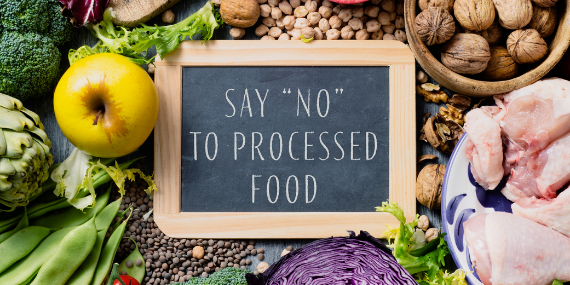
The most potent tool you have to fight inflammation is sitting on your dinner plate. The “Western Diet,” high in processed sugars and refined carbohydrates, is a known trigger for inflammatory markers like C-reactive protein (CRP).
- Leafy Greens: Spinach, kale, and collards are packed with antioxidants and polyphenols that protect against cellular damage.
- Fatty Fish: Rich in Omega-3 fatty acids, salmon, mackerel, and sardines are essential for inhibiting the production of substances that cause inflammation.
- Berries: Blueberries, strawberries, and raspberries contain anthocyanins, which have been shown to reduce inflammatory responses in the blood.
2. Harness the Power of Spices
Nature’s pharmacy is remarkably effective. Integrating specific spices into your daily cooking can provide a powerful defense against systemic redness and swelling.
Turmeric is the gold standard, containing the active compound curcumin, which acts as a natural anti-inflammatory agent. To maximize absorption, always pair it with a pinch of black pepper. Ginger is another powerhouse, known for its ability to reduce joint pain and gut-related inflammation.

3. Prioritize Restorative Sleep
In 2026, sleep is no longer considered a luxury; it is a clinical necessity for immune regulation. During deep sleep, your body performs a “cleanup” of inflammatory cytokines. If you are consistently getting fewer than seven hours of quality sleep, your body’s ability to regulate its inflammatory response is severely compromised.
Create a “sleep sanctuary” by keeping your bedroom cool, dark, and free of blue light-emitting devices at least 60 minutes before bed.
4. Move Intentionally, Not Excessively
While exercise is essential, chronic overtraining can actually increase inflammation. The key is consistent, moderate movement.
Low-impact activities such as walking, swimming, yoga, or Pilates are excellent for reducing cortisol levels—the stress hormone that, when elevated, triggers inflammation. Aim for 30 minutes of movement that elevates your heart rate slightly without causing excessive physical strain.
5. Master Your Stress Levels
Stress and inflammation are inextricably linked. When you are stressed, your body releases cortisol, which is helpful in short bursts but destructive in the long term.
Implement mindfulness practices like meditation, deep breathing exercises, or forest bathing. These practices don’t just “feel good”—they have been proven to downregulate the genes responsible for inflammatory responses.
6. Maintain a Healthy Gut Microbiome
Your gut is the control center of your immune system. A diet rich in fiber and probiotic-rich foods—such as kimchi, sauerkraut, kefir, and yogurt—supports a diverse microbiome. When the gut lining is healthy, it prevents “leaky gut,” a condition where toxins escape into the bloodstream and trigger systemic inflammation.
7. Hydration and Toxin Reduction
Water is the medium through which all your body’s anti-inflammatory processes occur. Dehydration can lead to an increase in inflammation markers. Furthermore, be mindful of environmental toxins. Switching to clean, non-toxic household cleaners and personal care products can reduce the toxic load your immune system has to process daily.
8. The Role of Intermittent Fasting
By 2026, intermittent fasting has become a recognized strategy for metabolic health. Giving your digestive system a break for 12–16 hours daily allows your cells to undergo autophagy, a process where the body cleans out damaged cells and reduces the signals that lead to chronic inflammation.
When to See a Professional
While these natural strategies are highly effective, they should not replace medical advice if you are suffering from chronic pain or autoimmune conditions. Always consult with your healthcare provider before making significant dietary or lifestyle changes, especially if you are currently taking medication. Your doctor can help you monitor your inflammation markers through blood tests to ensure your efforts are yielding the desired results.
Conclusion
Reducing inflammation is not about perfection; it is about consistency. By choosing whole foods over processed ones, moving your body with intention, and prioritizing your mental and physical recovery, you can reclaim your health. In 2026, the best medicine is the one that works in harmony with your body’s innate ability to heal itself. Start with one of these steps today, and build your foundation for a vibrant, inflammation-free life.